East Africa / South Asia · Ethiopia
Fenugreek
Trigonella foenum-graecum seed extract
“Slip and detangling, manageability, scalp comfort, moisture coating”
How It Works
The mechanism.
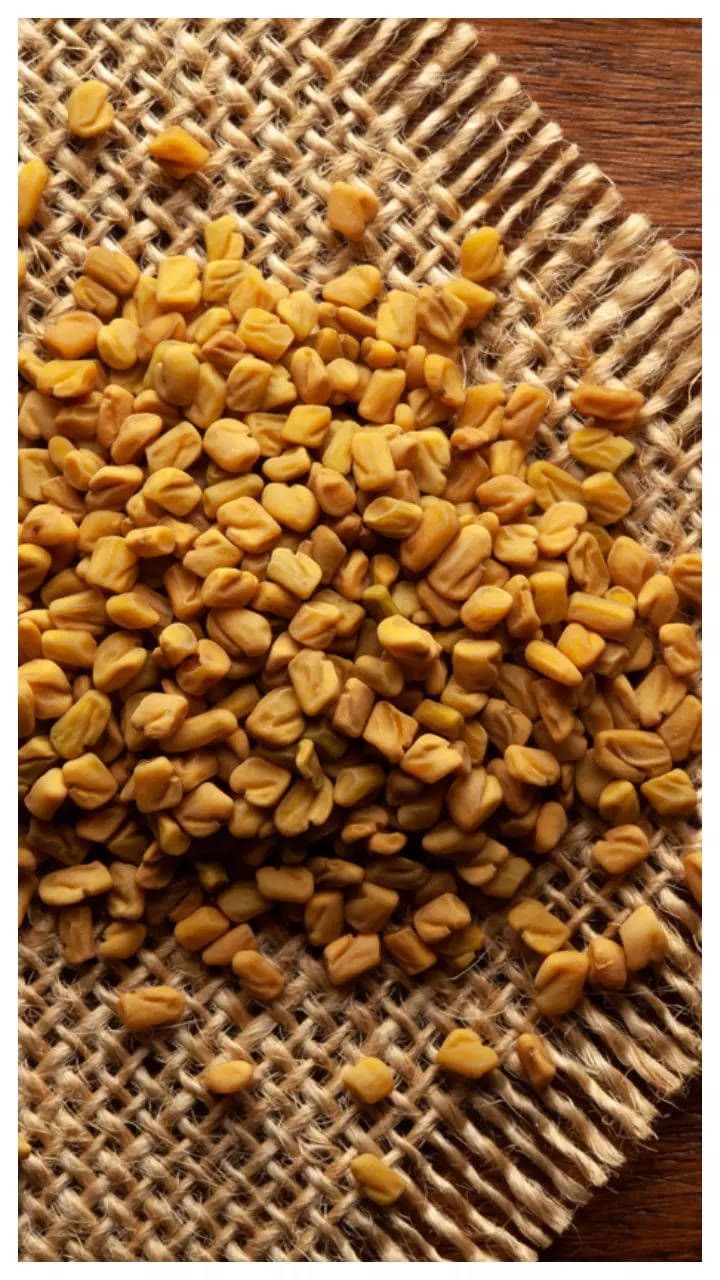
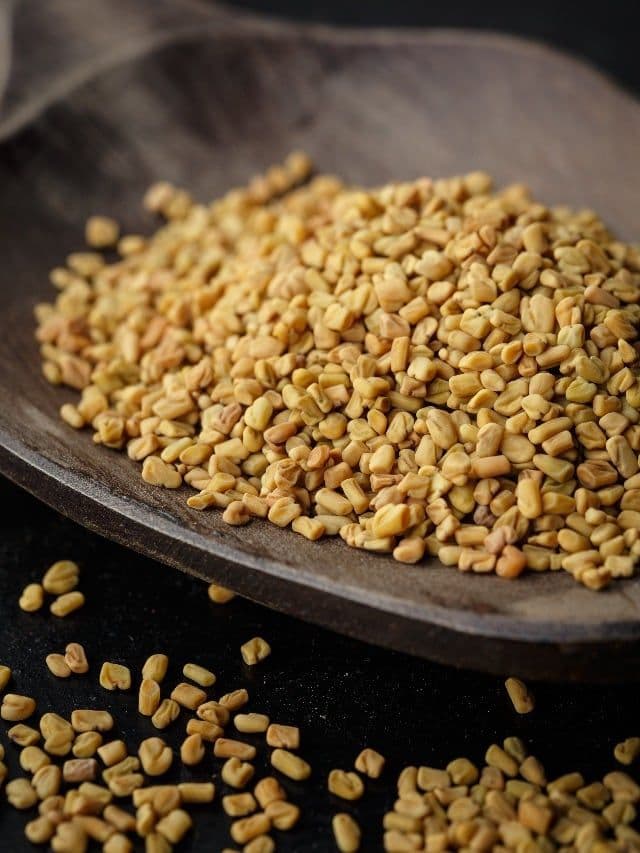
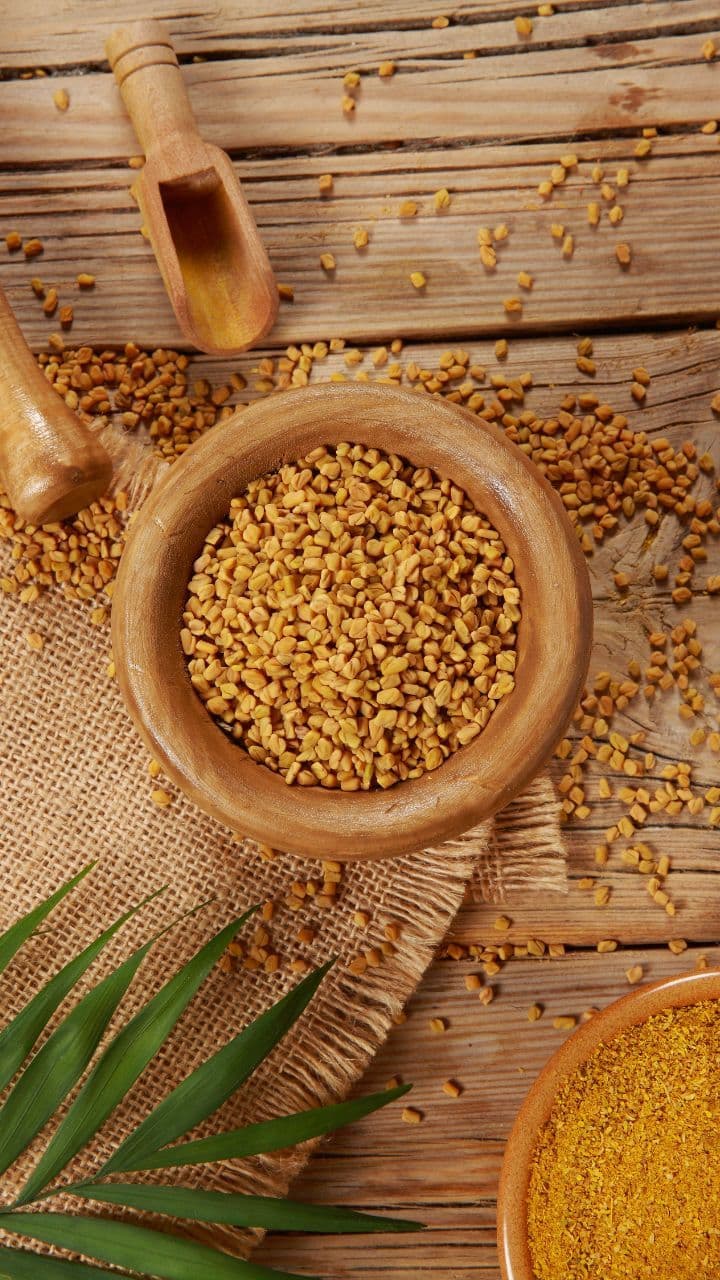
Fenugreek seeds give up two gifts in oil: gentle saponins and a mucilage rich in conditioning polysaccharides. Steeped slowly into the Signature Oil, that mucilage wraps each strand in a slip-rich film that melts away tangles and eases the mechanical stress of styling - the everyday handling that costs Type 4 hair its length. The seed's niacin supports a comfortable, well-nourished scalp.
Origins & Tradition
Where it comes from.
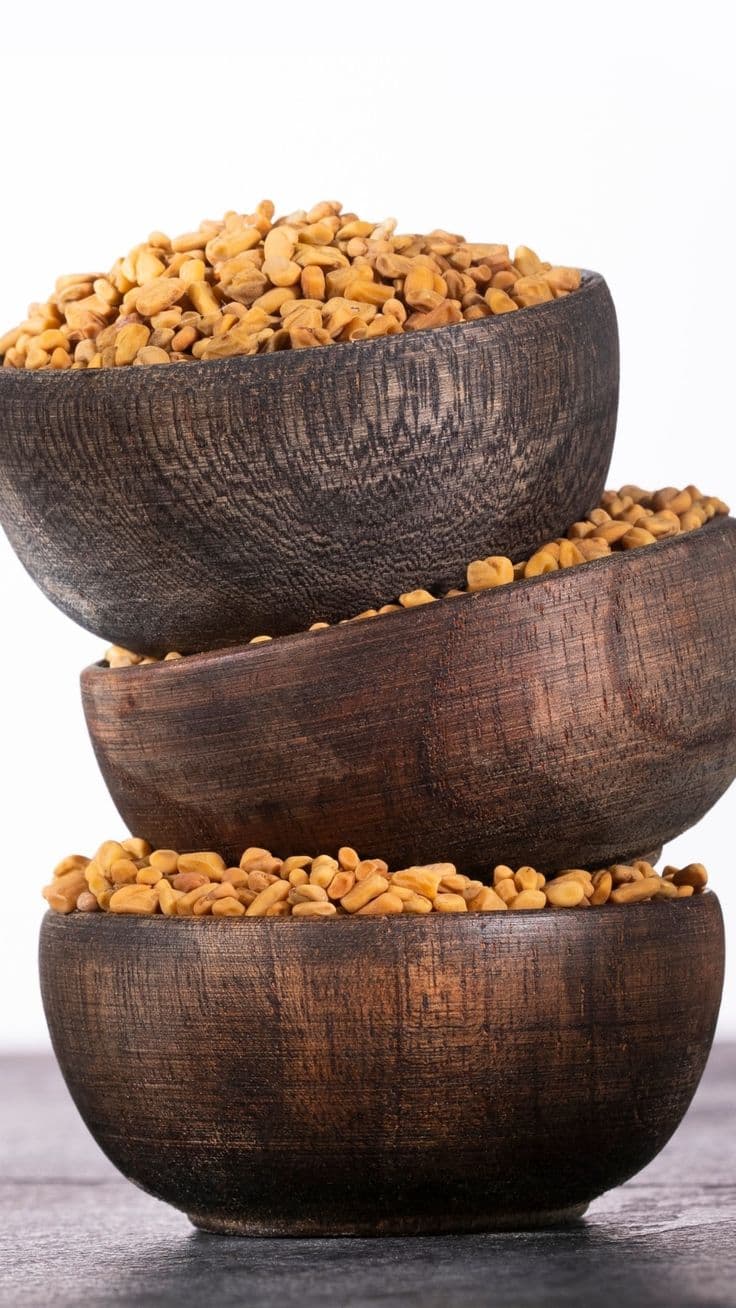
In Ethiopia and Eritrea, fenugreek (called 'abish') is a core ingredient in postpartum care — consumed and applied topically to restore hair thickness after the DHT crash that follows childbirth. In Indian Ayurvedic tradition, fenugreek seed paste is called a Keshavardhana (hair-growing) herb and applied weekly in hair oil infusions across centuries. The practice of infusing fenugreek in oil — rather than water — is traditional wisdom: fat-soluble diosgenin extracts more completely in oil, a pharmacological fact now confirmed.
Active Compounds
The chemistry.
The Research
What the science says.
Fenugreek is a postpartum hair tradition across Ethiopia and Eritrea and a celebrated hair herb in Ayurveda, where - exactly as Sanyu does - it is steeped in oil rather than water. Microscopy of fenugreek-treated fibres shows the smooth, friction-reducing film behind its renowned slip.
Did You Know
A few things about fenugreek.
Soak the seeds and they release a slippery mucilage — nature's own slip agent, which is why fenugreek detangles so well.
It contains diosgenin, a plant compound so structurally close to steroid hormones that industry once used it to synthesise them.
Ayurveda steeps fenugreek in oil, not water — exactly the method Sanyu uses to draw out its conditioning compounds.
The seeds are rich in niacin (vitamin B3), long tied in tradition to a comfortable, well-nourished scalp.